

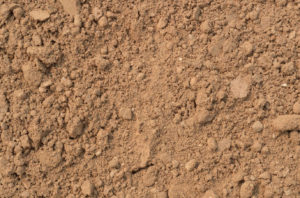
Screened Soil (screened fill)
GREAT FOR:
Screened fill dirt has been sifted to remove rocks, roots, and debris, which makes it much easier to work with than raw fill. Screened fill dirt typically isn’t nutrient-rich, so it’s not ideal for gardens unless you mix it with compost or topsoil.
Grading and leveling - If you’ve got low spots in your yard or uneven ground, screened fill dirt spreads smoothly and compacts well, giving you a stable base.
Backfilling - Around foundations, retaining walls, or trenches for utilities. Since it’s free of chunks, it settles more evenly and reduces air pockets.
For landscaping, it’s useful as a base layer under things like sod, artificial turf, patios, or walkways.
Raising elevation - If you need to build up an area (for drainage control or to prevent flooding), screened fill dirt is a cost-effective way to add bulk before finishing with better soil.
People also use it for - Filling holes left by tree removal or construction, creating berms or gentle slopes, base material for driveways or parking areas (when compacted)